As sustainability becomes central to the fashion industry, materials are being evaluated more critically than ever. Traditional leather has long dominated global markets, but alternatives such as fish leather are gaining attention.
Here’s how they compare.
Raw Material and Resource Use
Traditional leather is primarily derived from cattle. While cowhide is often considered a by-product of the meat industry, cattle farming contributes significantly to land use, methane emissions, and water consumption.
Fish leather uses skins that are already a by-product of the fishing and food industries. Instead of discarding them, they are repurposed into valuable material. This reduces waste and supports circular economy principles.
Environmental Impact
Livestock farming requires grazing land, feed production, and water resources. Fish leather does not require additional farming infrastructure since it uses existing supply chains.
When responsibly processed, fish leather can have a lower environmental footprint compared to traditional leather tied to large-scale cattle production.
Ethical Considerations
Exotic leathers such as crocodile and snake have raised concerns about wildlife exploitation and endangered species.
Fish leather provides a similar textured aesthetic without contributing to reptile farming or wildlife harm. It offers ethical luxury without sacrificing visual appeal.
Performance and Durability
A common misconception is that alternative materials are weaker. In reality, fish leather’s cross-fiber structure makes it remarkably strong for its thickness.
It is:
- Lightweight
- Flexible
- Durable
- Long-lasting
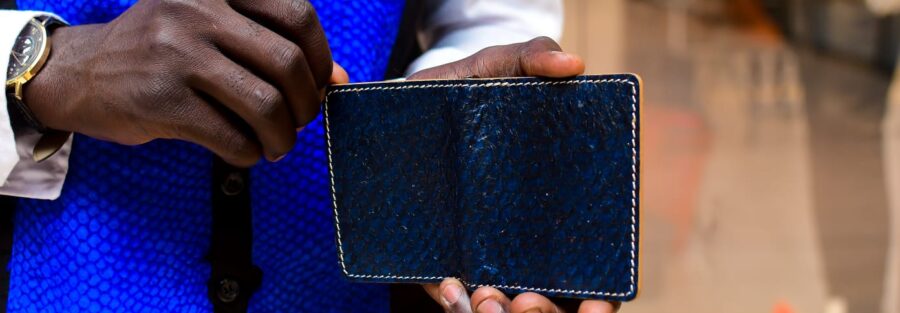
This makes it particularly suitable for accessories such as wallets, watch straps, earrings, and small leather goods.
The Bigger Picture
Traditional leather remains widely used, but consumer demand is shifting. Buyers increasingly value transparency, responsible sourcing, and measurable sustainability.
Fish leather offers:
- Waste reduction
- Ethical sourcing
- Distinctive texture
- Comparable durability
It represents not a rejection of leather, but an evolution in how leather is sourced and produced.


4 Comments
Riva Collins
It’s no secret that the digital industry is booming. From exciting startups to need ghor
global and brands, companies are reaching out.
Riva Collins
It’s no secret that the digital industry is booming. From exciting startups to need ghor
global and brands, companies are reaching out.
Obila Doe
It’s no secret that the digital industry is booming. From exciting startups to need ghor hmiu
global and brands, companies are reaching out.
Obila Doe
It’s no secret that the digital industry is booming. From exciting startups to need ghor hmiu
global and brands, companies are reaching out.