The Future of Leather
The leather industry is ready for change.
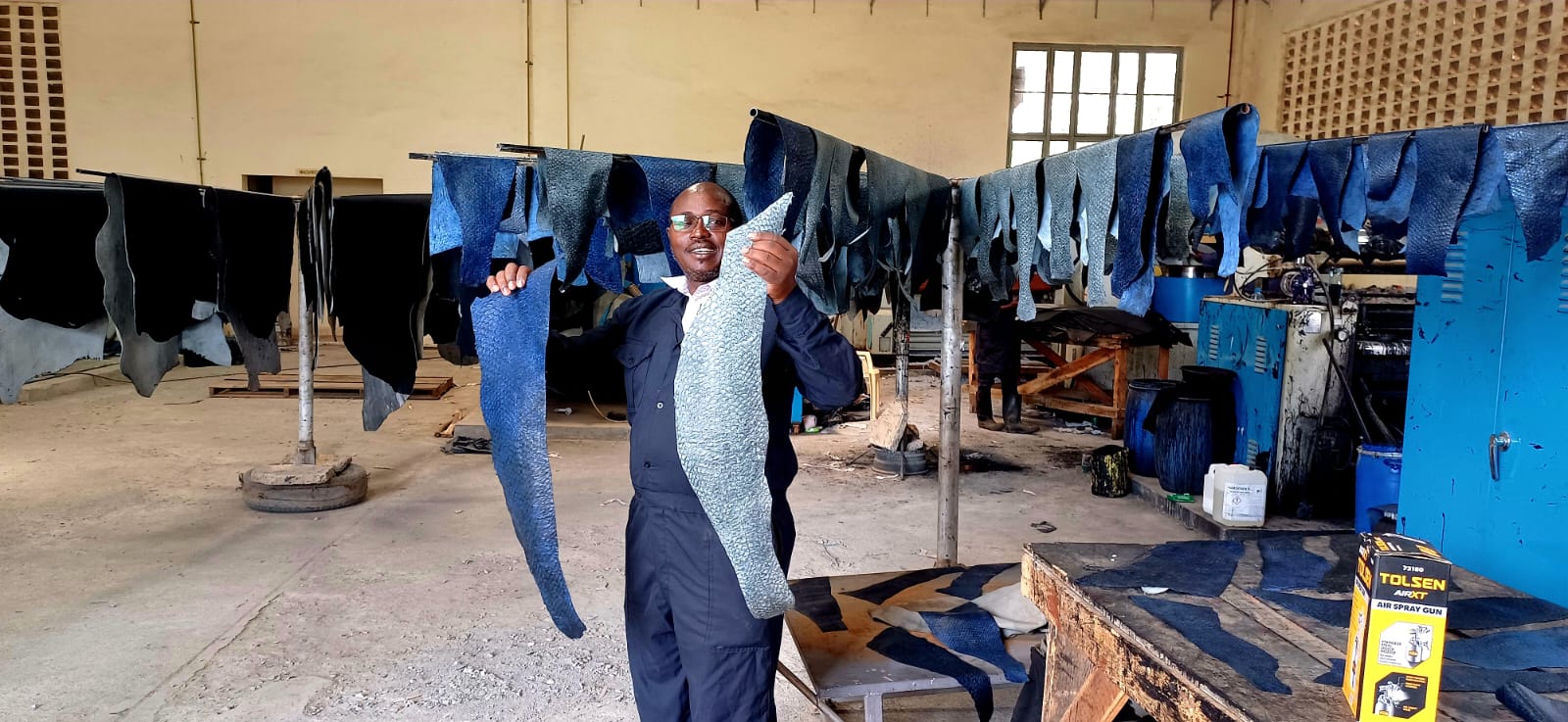
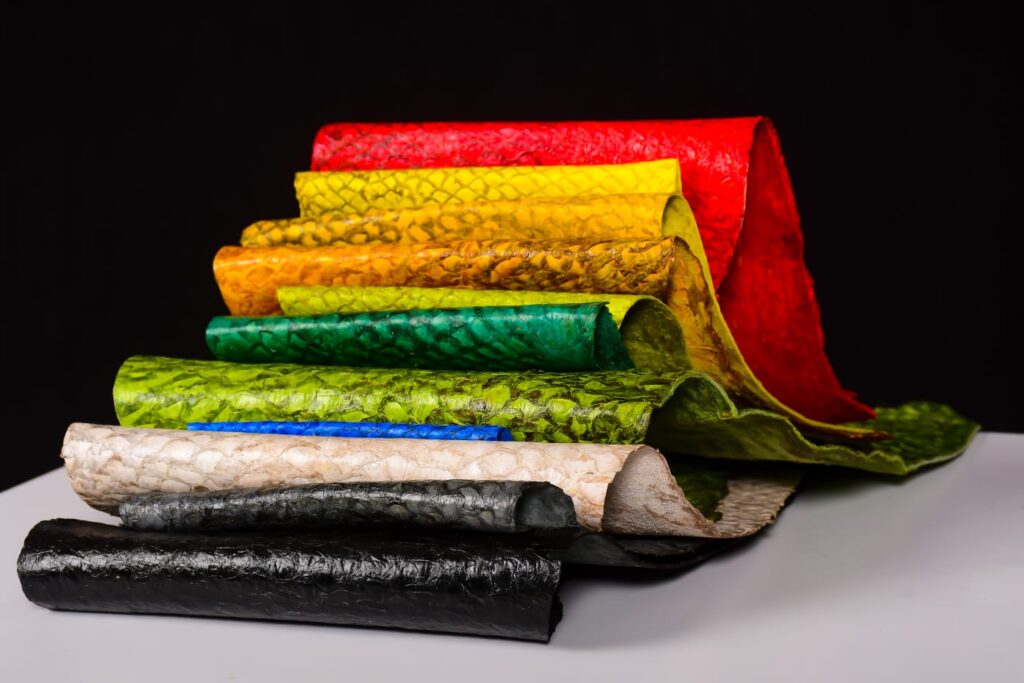
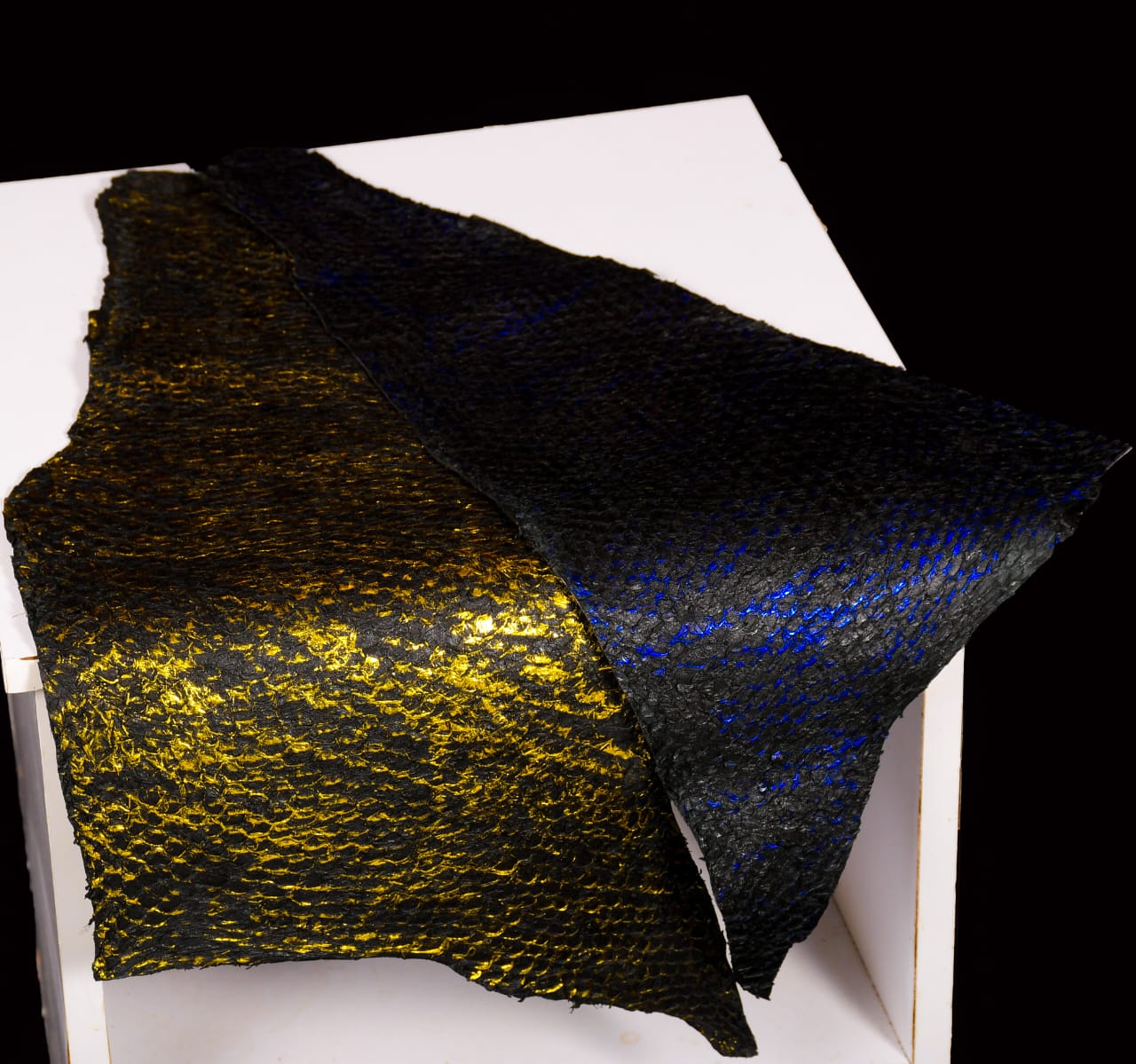
Ambani Fish Leather converts discarded fish skin from processing facilities into high-quality leather that rivals traditional and reptile leather in strength, texture, and beauty.
What was once waste becomes a premium material.
We are not just producing leather products.
We are redefining what leather can be.
Why Fish Leather?
Stronger Than You Think
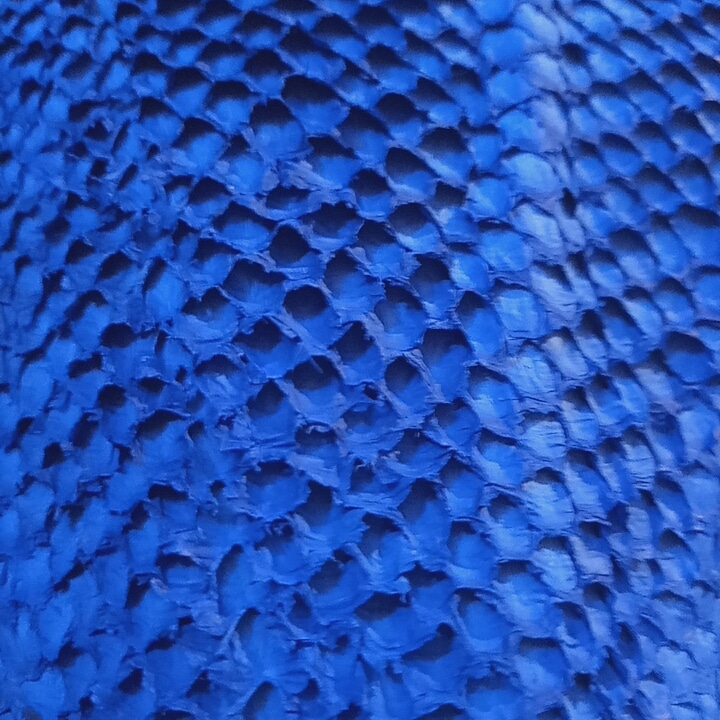
Fish leather has a unique cross-fiber structure. Unlike cow leather,
its fibers run in multiple directions, making it exceptionally strong for its thickness.
It is:
- Lightweight
- Flexible
- Durable
- Long-lasting
No Odor. No Compromise.
After professional tanning and finishing, fish leather has no fish smell.
It performs and ages like premium leather, because it is premium leather.
Ethical Alternative to Exotic Leather
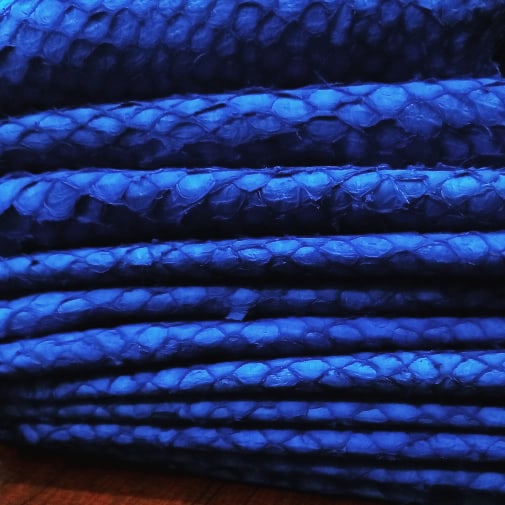
Fish leather offers the distinctive texture of reptile leather, without harming endangered species or relying on exotic animal farming.
Luxury without ethical compromise
Our Products
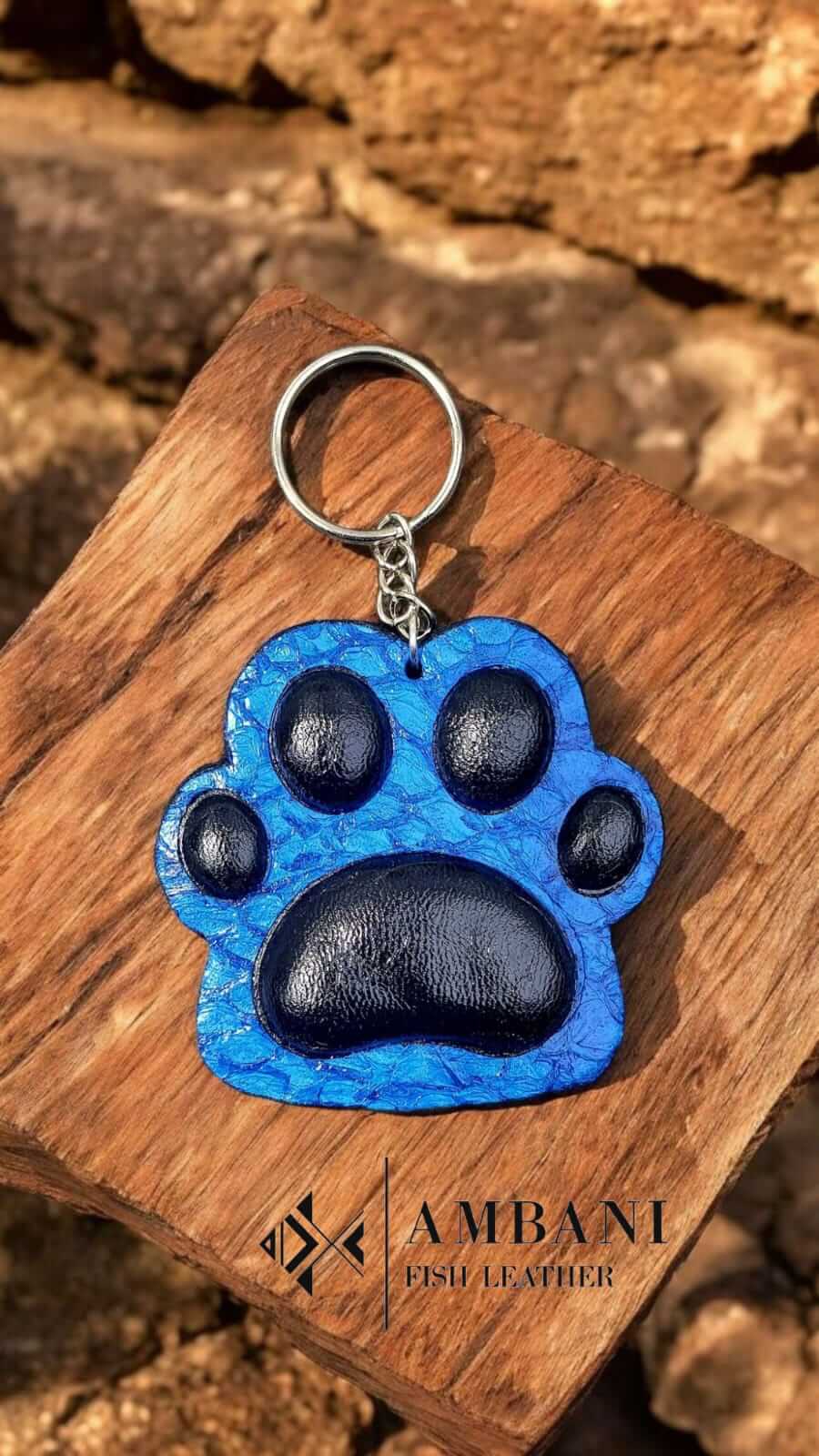
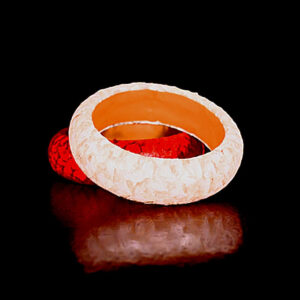
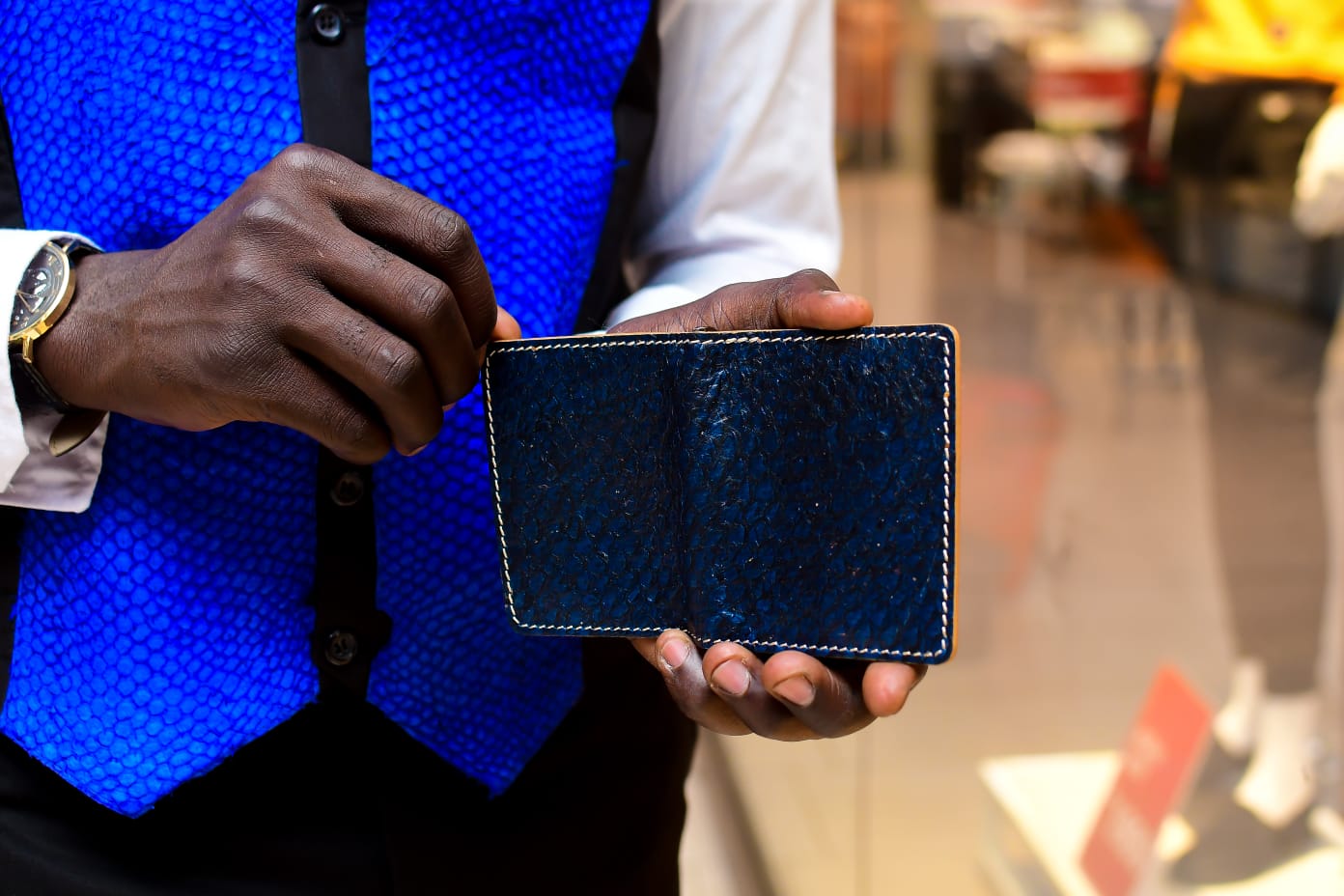
Explore our handcrafted fish leather accessories — each piece uniquely textured, sustainably made and built to last
We are very happy to share news
Explore insights on sustainable leather, ocean innovation and the future of ethical fashion from our team
Sustainability in Action
Every year, tons of fish skin from processing facilities are discarded as waste.
We intercept this waste and give it a second life.
Our process supports:
Fish leather is not synthetic. It is not plastic. It is natural leather, reimagined responsibly.
Circular economy principles
Waste reduction in the fishing industry
Lower environmental impact compared to conventional leather
Responsible material sourcing
We serve our clients with the best of our capacity.
Hear from customers around the world who wear and love our handcrafted fish leather pieces every day
Agnes W
Faith Morgan
Valerie N
The Future of Sustainable Leather Starts Here.
Whether you are a conscious consumer, a designer, or a distributor — we invite you to be part of the next generation of materials.