
Our Impact
Every Product We Make Is a Problem.
We Solved At Ambani Fish Leather, impact is not a side effect of our work — it is the reason we exist. From the fish processing floors of Kenya to fashion markets in Germany and the United States, every piece of fish leather we produce tells a story of waste transformed, livelihoods supported, and industry challenged.
Turning Waste Into Worth
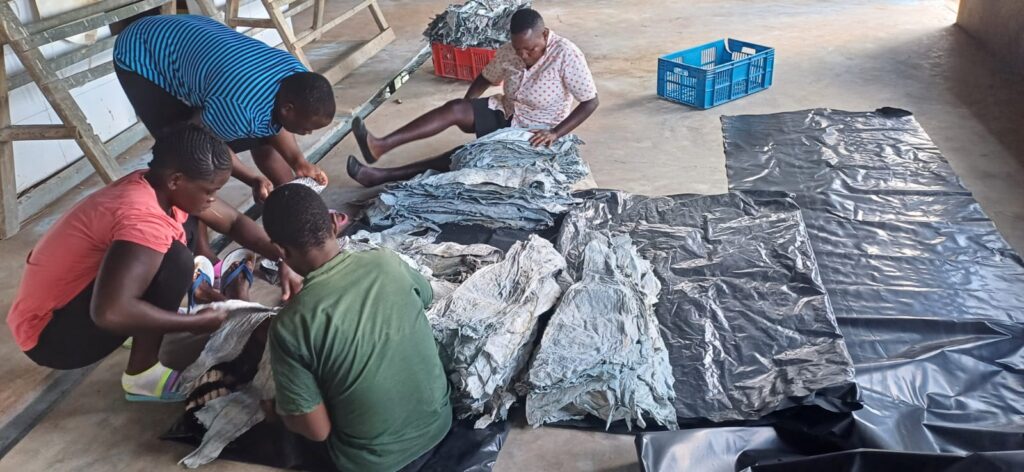
- Fish skin makes up 5–15% of a fish’s total weight — and in most processing facilities across Africa and the world, it is discarded entirely
- Ambani intercepts this waste before it reaches landfills or waterways
- Each kilogram of fish leather produced = one kilogram of organic waste diverted
- Fish leather tanning uses significantly less land and water than cattle leather production
- No dedicated animal farming — no grazing land, no feed crops, no methane emissions from livestock
Partner With Us
We collaborate with designers, fashion brands, and distributors seeking sustainable material innovation.
Why Partner with Ambani?
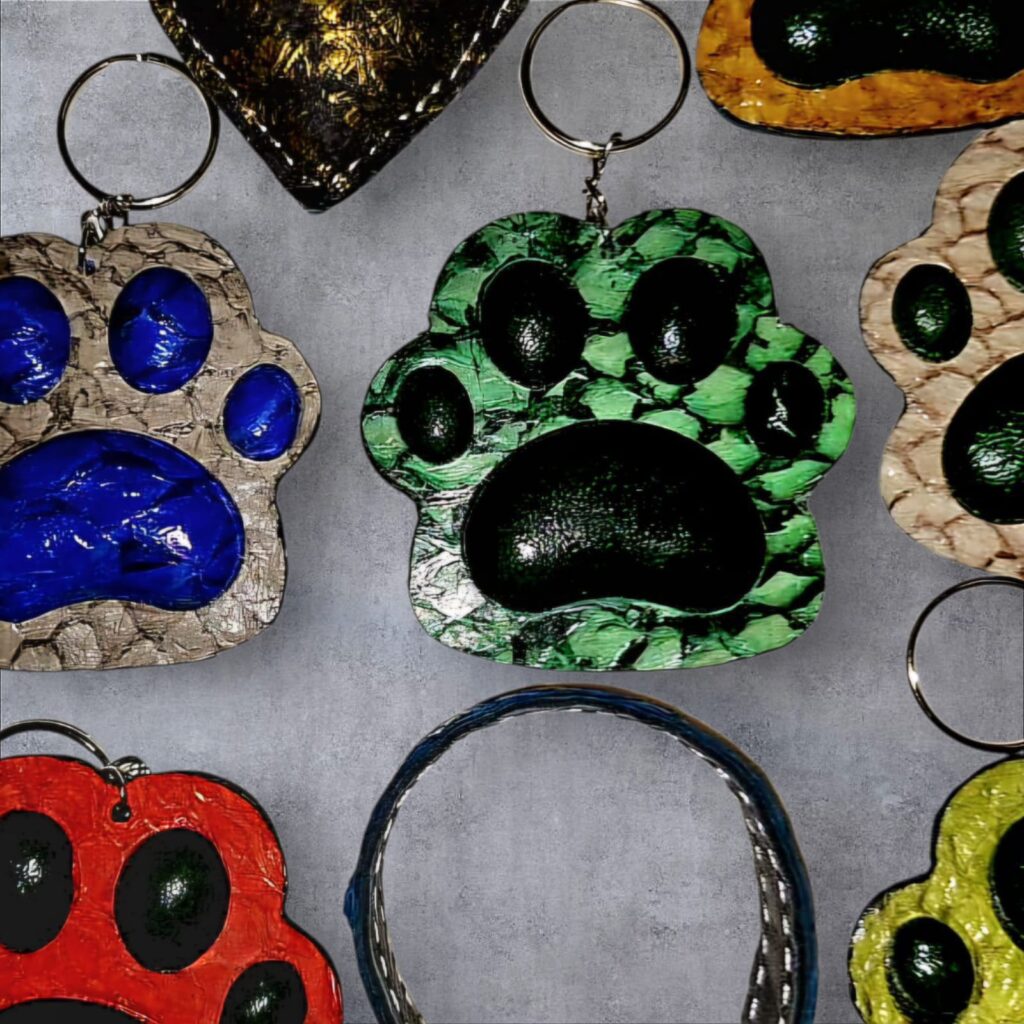
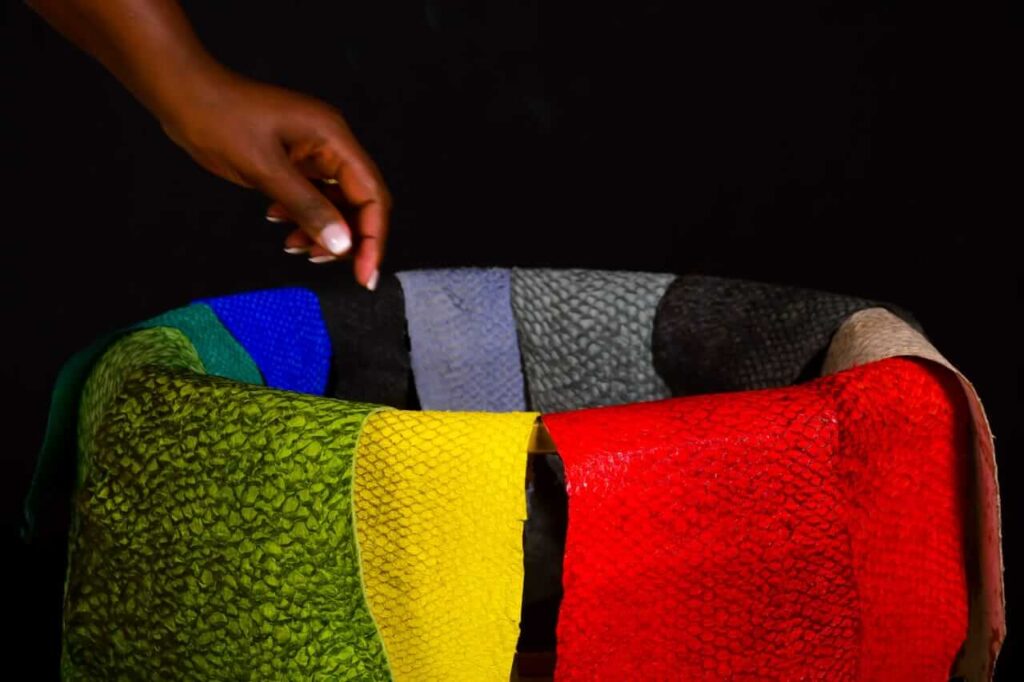
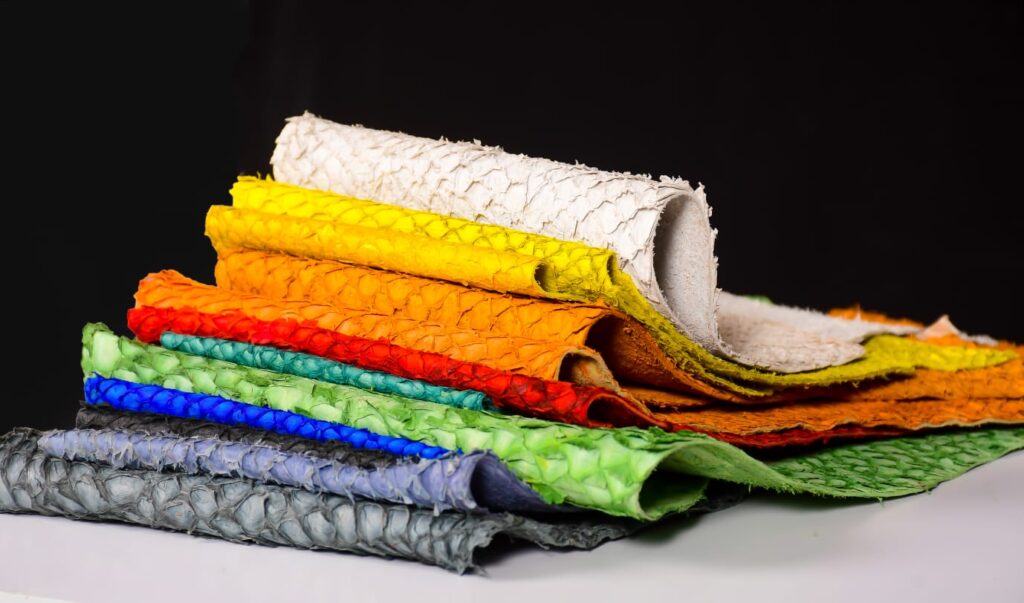
- Unique textured leather alternative
- Ethical sourcing
- Strong fiber structure
- Export experience
- Custom development options
We provide:
- Swatch samples
- Bulk material supply
- Co-branded collaborations
- Long-term supply partnerships
Let’s build the future of leather together.
Empowering People, Not Just Products
- Ambani creates skilled artisan jobs in Eldoret, Kenya — a region where employment in the creative and manufacturing sectors is limited
- The business works directly with local fish processors, creating a new revenue stream for their by-products (fish skins that were previously worthless to them now have value)
- Women-led craftsmanship is central to production — empowering women in leatherwork and artisan trade
- By building export capability to Germany and the USA, Ambani brings foreign exchange income into the local economy
- Skills transfer: workers gain tanning, finishing, and leather crafting expertise — transferable, lifelong skills
Challenging What Luxury Means
- The global leather goods market is worth over $400 billion — and it is built almost entirely on cattle, crocodile, and snake skins
- Exotic leather (crocodile, python, stingray) drives endangered species exploitation — fish leather offers the same distinctive texture without any of the ethical cost
- Ambani is part of a growing global movement of innovators proving that sustainable materials can compete with — and outperform — conventional luxury materials
- Every designer, retailer, or customer that chooses fish leather sends a signal to the industry that consumers demand better.
The Future of Sustainable Leather Starts Here.
Whether you are a conscious consumer, a designer, or a distributor — we invite you to be part of the next generation of materials.


